Treatment

Dermatofunctional Physiotherapy

Area of physiotherapy dedicated to the prevention, treatment and rehabilitation of aesthetic and functional changes of the skin and tissues.

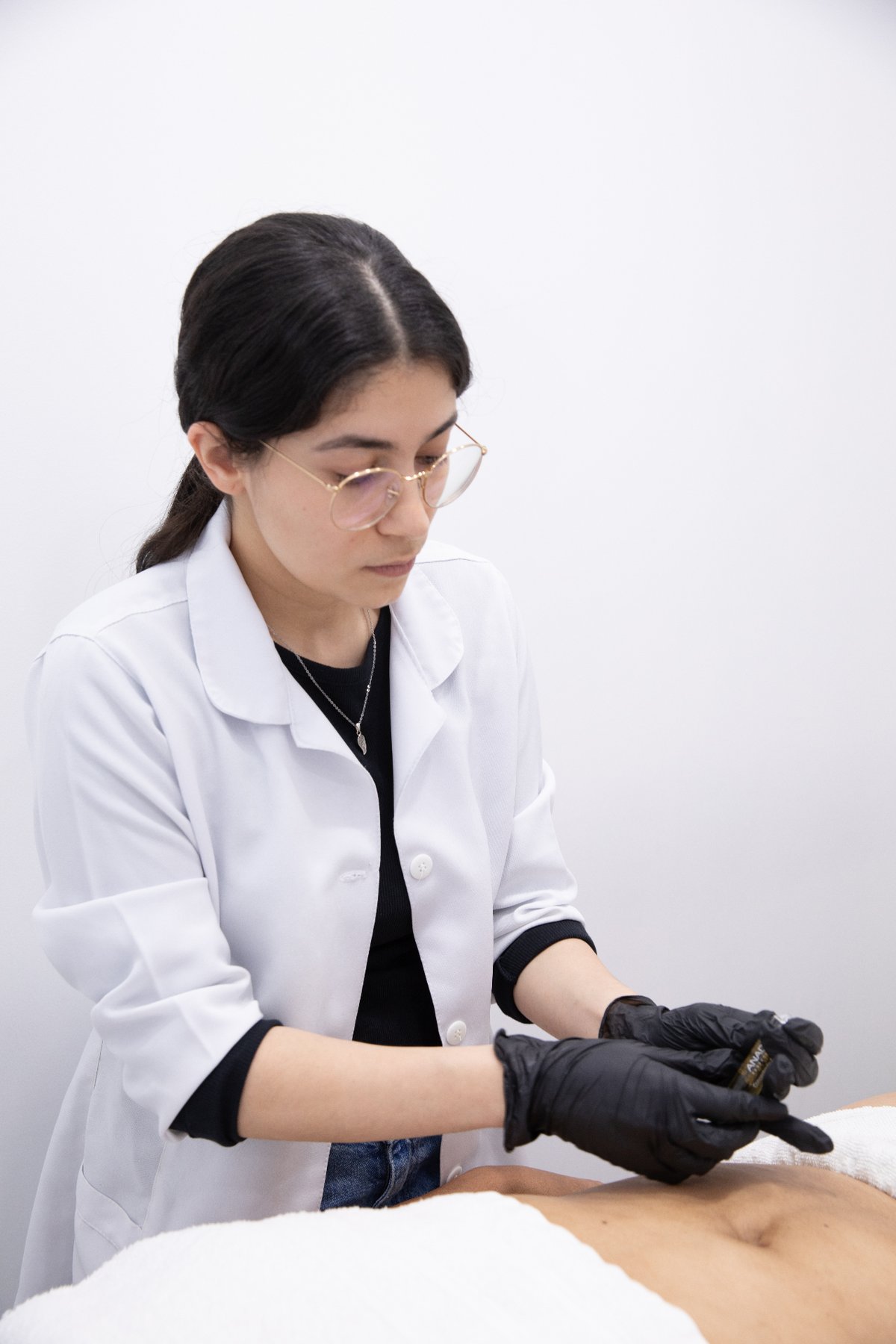
Fisioterapeuta em sessão de fisioterapia dermatofuncional

How it works

Combines clinical assessment, manual techniques and specific resources, with a protocol designed to fit each situation.

  1. 01Detailed clinical assessment with the physiotherapist.
  2. 02Definition of the protocol (drainage, manual therapy, electrotherapeutic resources).
  3. 03Execution of the indicated techniques for each phase.
  4. 04Periodic reassessments to adjust the plan.

Who it is for

For anyone looking for follow-up on aesthetic and functional skin changes, scars or post-op aesthetic recovery.

  • Aesthetic post-op (liposuction, mammoplasty, abdominoplasty)
  • Hypertrophic scars, keloids and adhesions
  • Fibrosis, seromas and oedema
  • Skin and subcutaneous tissue changes

Possible benefits

  • Professional follow-up
  • Individualised protocols
  • Support for pre and post-op aesthetic surgery
  • Care for skin and tissue changes

Care before and after

Following the team's instructions between sessions is essential to protocol progress.

Duration
50 to 60 minutes, variable depending on the protocol.
Frequency
Defined case by case, in post-op it may be 2 to 3 times per week at the start.

Contraindications

  • Without medical clearance in recent post-op
  • Active infections in the area to be treated
  • Deep vein thrombosis

Each case is evaluated individually. When in doubt, book an assessment.

FAQ

Frequently asked questions

Is it the same as common aesthetic treatments?+

No. Dermatofunctional physiotherapy is an area of physiotherapy practice, with clinical assessment and resources applied to the skin, the tissues and post-operative follow-up.

Do I need a medical referral?+

For post-op, yes. In other cases the physiotherapist's assessment defines the plan.

When should I start after surgery?+

As soon as the surgeon releases you. The earlier the follow-up begins, the better the evolution of the scar and oedema.